Criminal and Community Justice

About Criminal and Community Justice

Build a career focused on safer communities, justice, and real-world impact.

Our program explores how community agencies work together to promote public safety and support both offenders and crime victims. Using research-backed methods, you’ll learn best practices while building strong ethical leadership skills and connecting with local justice agencies. 

Program Highlights:

  • 100% Job placement rate
  • 100% grad school acceptance rate 
  • Law Enforcement Academy partnership
  • Develop hands-on experience through an internship with a local agency
  • Learn from community and criminal justice professionals

Careers in engineering

Viterbo graduates go on to become:

  • Active duty military
  • Deputy jailer
  • Jail and dispatch officer
  • Jail clerk
  • Police officer
  • Probation and parole officer
  • Security officer
  • Sheriff’s deputy
  • Game Warden or department of natural resources officer
  • Corrections Officer

Partnership

Law Enforcement Academy

100%

Job placement rate

100%

Grad School Acceptance Rate

Why study this program at Viterbo?

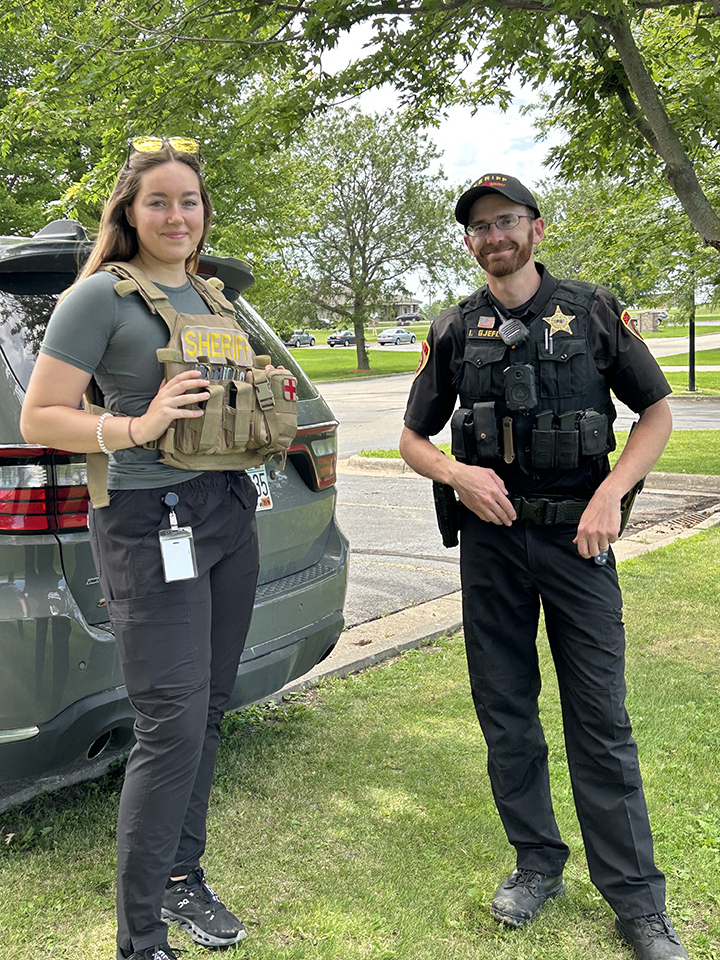
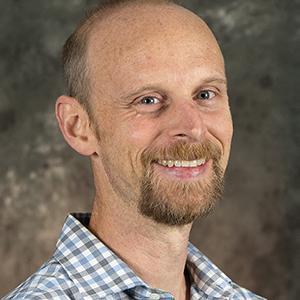
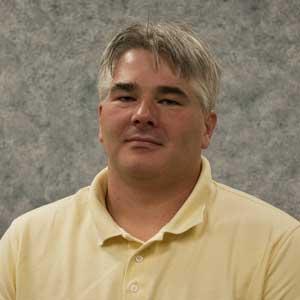
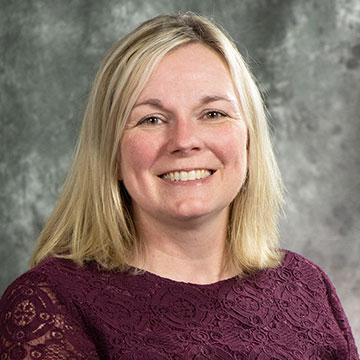
Criminal and Community Justice Faculty
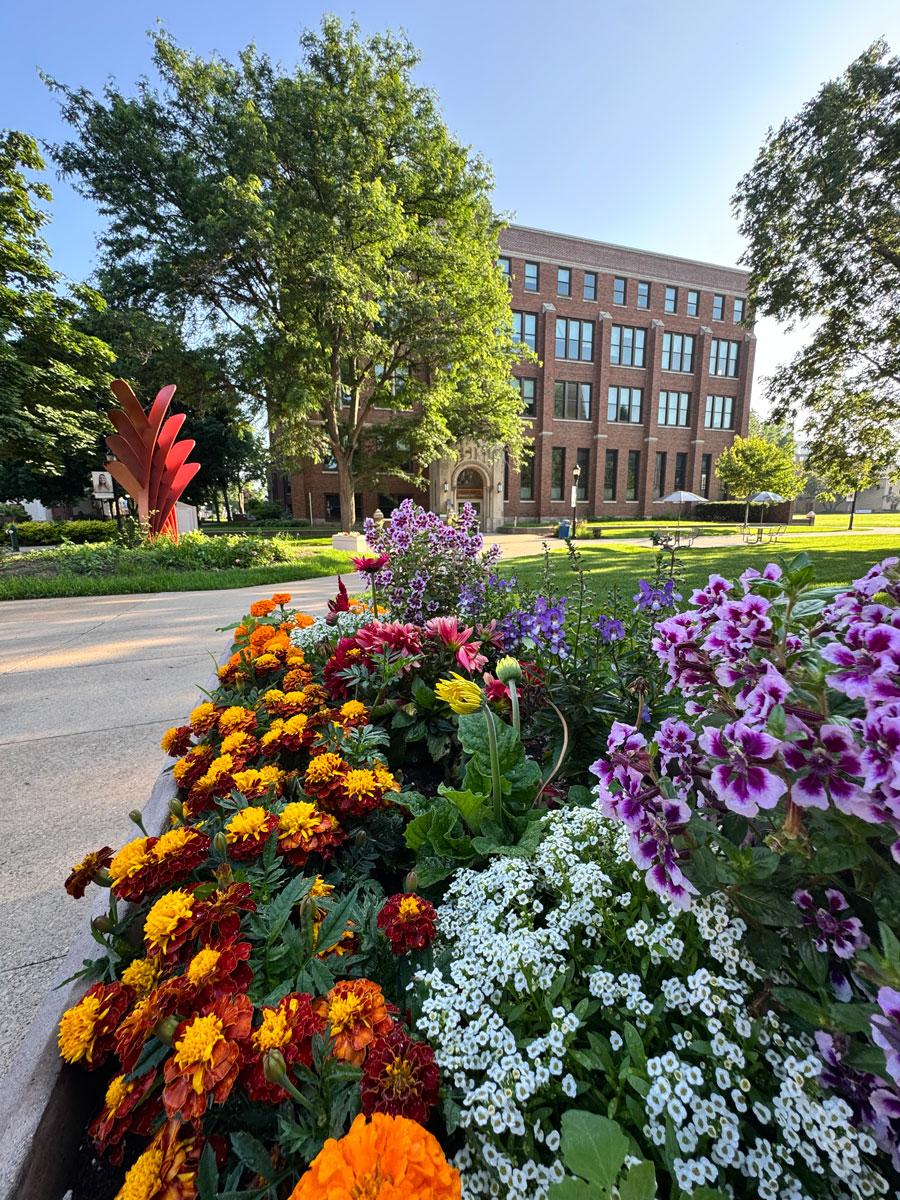
Campus shot with flowers

Ready to get started?
Request Further Information

Applied Mathematics and Analytics

About Applied Mathematics

Drive smarter decisions for complex, real-world challenges using mathematical techniques.

Whether you're analyzing data, building predictive models, or solving complex problems, you'll gain hands-on experience that blends programming, critical thinking, and collaboration—essential tools for today's data-driven world.

Program Highlights:

  • Embedded internships and external projects
  • Year-long capstone project
  • Research opportunities with passionate faculty

Careers in engineering

Viterbo graduates go on to become:

  • Academic or Researcher
  • Data Scientist
  • Statistician
  • Computational or Systems Engineer
  • Software Developer
  • Actuaries

$112,590

Median Salary for data scientists

Year-long Capstone

Apply your engineering knowledge to a yearlong project that addresses a real-world challenge

11–36%

Growth rate for data scientists and mathematicians

Why study this program at Viterbo?

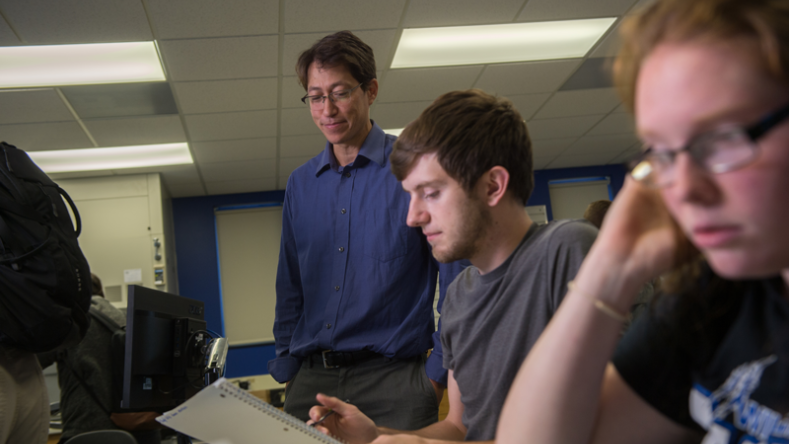
Applied Math Faculty

Campus shot with flowers

Ready to get started?
Request Further Information

Engineering

About the Engineering Program

Shape Your Future with Industry-Aligned Engineering Curriculum

Viterbo’s engineering program combines rigorous, industry-relevant coursework with hands-on, project-based learning that builds creativity and communication skills. Small classes, close faculty support, and program-embedded internships give you practical experience and a clear path from classroom to career. 

Program Highlights:

  • ABET-accredited
  • Graduate in 4 years with supportive advising and intentional course design
  • 100% of graduates are employed or in graduate school within 6 months
  • Engage in engineering design from the start of your first semester
  • Industry-relevant project-based learning
  • Flexible program structure

Careers in engineering

Viterbo graduates go on to become:

  • Graduate Teaching Assistant
  • Staff Civil Engineer
  • Telecommunications Engineer
  • Manufacturing/automation Engineer
  • Field Service Technician
  • Tooling Engineer
  • Design Engineer
  • Travel Nurse
  • Compressor Product Engineer
  • Electrical Engineer
  • Product Design Engineer
  • Product Engineer

100%

of graduates are employed or in graduate school within 6 months

Graduate in 4 years

with supportive advising and intentional course design

First semester

engineering design projects

Why study this program at Viterbo?

Engineering Faculty

Campus shot with flowers

Ready to get started?
Request Further Information

Pre-Health

About Pre-Health

Develop the expertise and skills needed to pursue in-demand careers or continue your education in various graduate programs. 

You’ll work closely with faculty advisors who guide you through course planning, research opportunities, and the professional school application process. Whether your goal is medicine, dentistry, pharmacy, or another health profession, Viterbo prepares you to move forward with purpose and a competitive edge.

Program Highlights:

  • 94% acceptance rate into professional and graduate schools
  • Challenging, immersive learning for a competitive edge
  • Faculty-guided research experiences
  • Course-embedded tutoring
  • 1:1 personalized advising from a faculty mentor all four years
  • Opportunities to connect with leading health care systems like Emplify Health and Mayo Clinic Health System for internships, job shadowing, and employment. 

Our science majors have been accepted into these regional professional schools and programs at:

  • Carroll University
  • Concordia University
  • Illinois College of Optometry
  • LECOM
  • Logan
  • Marquette
  • Mayo Rochester
  • Medical College of Wisconsin
  • Michigan College of Optometry
  • Palmer College of Chiropractic
  • Rosalind Franklin
  • University of Iowa
  • University of Minnesota
  • University of Minnesota-Duluth
  • University of South Dakota
  • UW-La Crosse
  • UW-Madison
  • UW-Milwaukee
  • UW-Stout

94% acceptance rate into professional and graduate schools

100% of Students Engage in Research with Faculty

1:1 Personalized Advising from a Faculty Mentor All Four Years

Careers in pre-health

Viterbo graduates go on to become:

  • Doctor of Osteopathic Medicine
  • Physician Associate
  • Pharmacist
  • Pathologists’ Assistant
  • Veterinarian
  • Dentist
  • Physical Therapist
  • Travel Nurse
  • Anesthesiologist
  • Optometrist
  • Medical Dosimetrist
  • Genetic Counselor
  • Physical Therapist
  • Occupational Therapist
  • OBGYN
  • Medical Doctor
  • Chiropractor

Why study this program at Viterbo?

Faculty

Campus shot with flowers

Ready to get started?
Request Further Information

Neuroscience

About Neuroscience

Develop the knowledge and skills essential for evaluating the complex relationships between the brain and human/animal behavior. 

You will learn and test foundational and contemporary theories through scientific reasoning, laboratory experiences, and independent research. Upon completion, you can pursue professional degrees in health-related fields, advanced degrees in neuroscience, and entry-level careers in mental health services or biomedical research. 

Program Highlights:

  • 94% acceptance rate into professional and graduate schools
  • Challenging, immersive learning for a competitive edge
  • Faculty-guided research experiences
  • Course-embedded tutoring
  • 1:1 personalized advising from a faculty mentor all four years
  • Ideal location for the study of life sciences

Careers in neuroscience

Viterbo graduates go on to become

  • Clinical Research Technician
  • Clinical Laboratory Technologist
  • Research Technologist
  • Science Teacher
  • Assistant Professor of Cognitive Engineering
  • Behavioral Health Counselor
  • Senior Scientist

94% acceptance rate into professional and graduate schools

100% of Students Engage in Research with Faculty

1:1 Personalized Advising from a Faculty Mentor All Four Years

Why study this program at Viterbo?

Faculty

Campus shot with flowers

Ready to get started?

Request Further Information

Biochemistry

About the Biochemistry Program

Uncover the intricate mechanisms that sustain life at both the cellular and molecular levels.

Accredited by the American Society for Biochemistry and Molecular Biology (ASBMB), our biochemistry program equips you for a rewarding future of scientific exploration and discovery, whether you enter a professional position, aspire to pursue graduate studies, or plan to attend medical school. 

Program Highlights:

  • 94% acceptance rate into professional and graduate schools
  • Challenging, immersive learning for a competitive edge
  • Faculty-guided research experiences
  • Course-embedded tutoring
  • 1:1 personalized advising from a faculty mentor all four years
  • Opportunities to connect with leading health care systems like Emplify Health and Mayo Clinic Health System for internships, job shadowing, and employment

Careers in biochemistry

Viterbo graduates go on to become

  • Clinical Lab Technologist
  • Territory Manager
  • Science Teacher
  • Accessioning Technician
  • Vaccine researcher
  • Medical Laboratory Scientist

94%

acceptance rate into professional and graduate schools

100%

of Students Engage in Research with Faculty

1:1

Personalized Advising from a Faculty Mentor All Four Years

Why study this program at Viterbo?

Faculty

Campus shot with flowers

Ready to get started?

Request Further Information

Biology

About the Biology Program

Develop the expertise and skills needed to pursue in-demand careers or continue your education in various graduate programs. 

In Viterbo’s biology program, you will explore a diverse range of subjects within the biological sciences, covering crucial areas like cellular and molecular biology, anatomy and physiology, ecology, behavior, and evolution

Program Highlights:

  • 94% acceptance rate into professional and graduate schools
  • Challenging, immersive learning for a competitive edge
  • Faculty-guided research experiences
  • Course-embedded tutoring
  • 1:1 personalized advising from a faculty mentor all four years
  • Ideal location for the study of life sciences

Careers in Biology

Viterbo graduates go on to become

  • Senior Radiation Protection Technician
  • Biological Science Technician
  • Microbiology Lab Technician
  • Science Teacher
  • Forestry Technician
  • Assistant Professor of Optometry
  • Food lab microbiologist
  • Biosample operations expert

94%

Acceptance rate into professional and graduate schools

100%

of Students Engage in Research with Faculty

1:1

Personalized Advising from a Faculty Mentor All Four Years

Why study this program at Viterbo?

Faculty

Campus shot with flowers

Ready to get started?

Request Further Information

Master of Arts in Relational Communication and Lifespan Studies

Overview

The Master of Arts in Relational Communication and Lifespan Studies (MARCLS) is designed for students seeking to enhance their interpersonal effectiveness and leadership capabilities in diverse work environments. This non-counseling program is ideal for individuals whose roles benefit from advanced communication and human development expertise but do not require clinical licensure. Please note that the MARCLS program is not CACREP-accredited and does not lead to licensure in clinical mental health counseling.

The MARCLS curriculum draws from the core graduate courses offering a strong foundation in areas such as ethics, counseling theory, diversity and inclusion, lifespan development, career development, and interpersonal skill-building. Emphasizing a multicultural and developmental approach, the program fosters a professional identity rooted in social justice, advocacy, and community engagement.

Graduates of the MARCLS program are prepared to work in a wide range of settings where the ability to work with, support, and lead others is essential. The program emphasizes outreach, resilience, and well-being, equipping students with the tools to make a meaningful impact in their organizations and communities.

Policy

Grades 

Students must maintain a cumulative grade point average of 3.0 for all MARCLS coursework, with no individual course grade lower than C.

Attendance

All graduate students are expected to attend all class meetings. If a student is unable to attend a class, the student must contact the instructor and take responsibility to meet the class objectives. This makeup will ordinarily require additional written work. It is the duty of the student to make arrangements for missed work. If more than one class meeting is missed within a course, the student shall contact the instructor and the MARCLS director in advance to discuss whether the student should enroll in the course at another time.

Transfer Credit

Individual consideration will be granted in the awarding of transfer credits in order to ensure the student meets the licensure requirements as a professional counselor. Up to 15 credits may be transferred from another CACREP-accredited program.

Requirements

All students are required to complete 30 credits and maintain a 3.0 grade point average to be awarded the Master of Arts in Relational Communication and Lifespan Studies degree. Those credits include core courses to be completed by all students, as well as electives to fulfill requirements of one of the program’s focus areas. Contact with one’s academic advisor will focus on developing an academic plan.

All students who earn the MARCLS degree are not eligible to re-enter or complete the Master of Science in Mental Health Counseling program at Viterbo University. This is due to the overlap in coursework and the need to maintain distinct degree programs.

Learning Outcomes
  • Demonstrate professional ethical standards of practice: Students will demonstrate knowledge of ethical standards and legal considerations relevant to professional counseling by accurately identifying and applying concepts on the final examination.
  • Articulate the impact of values, beliefs and cultural diversity perspectives relative to the counseling process: Students will demonstrate knowledge of how values, beliefs, and cultural diversity influence the counseling process by accurately identifying culturally relevant concepts and their implications on the final examination.
  • Apply contemporary theories of human development: Students will demonstrate knowledge of contemporary theories of human development by accurately identifying key theoretical concepts and developmental principles on the final examination.
  • Demonstrate the application of career counseling theories and skills: Students will demonstrate knowledge of career development theories and decision-making models by accurately identifying and applying these concepts on the final examination.
  • Conceptualize counseling theories and utilize in individual counseling skillsStudents will demonstrate knowledge of major counseling theories by accurately identifying theoretical principles and their applications on the final examination.

Embedded Systems (Minor)

Overview

The embedded systems minor integrates computer science and engineering, focusing on programming microprocessors and designing hardware systems. These skills are essential in robotics, where embedded systems control sensors, actuators, and decision-making algorithms. Students also explore applications in the Internet of Things (IoT), including smart devices, wearables, automotive systems, and medical technologies. With hands-on experience in circuit integration and low-level programming, the minor prepares students for careers in robotics, embedded AI, and advanced automation.

Subscribe to College of Engineering, Letters, and Sciences